
The Allure of Casino Gaming
Casino gaming captivates millions worldwide, drawing individuals into its vibrant atmosphere filled with flashing lights and the sound of spinning reels. The fundamental attraction to casinos lies in the thrill of potential winnings, which can evoke feelings of excitement and hope. Players often find themselves entranced by the immediate feedback and rewards, making the gaming experience both engaging and addictive. Many people enjoy the experience as a way to unwind, sometimes visiting a non gamstop casino to enhance their relaxation.
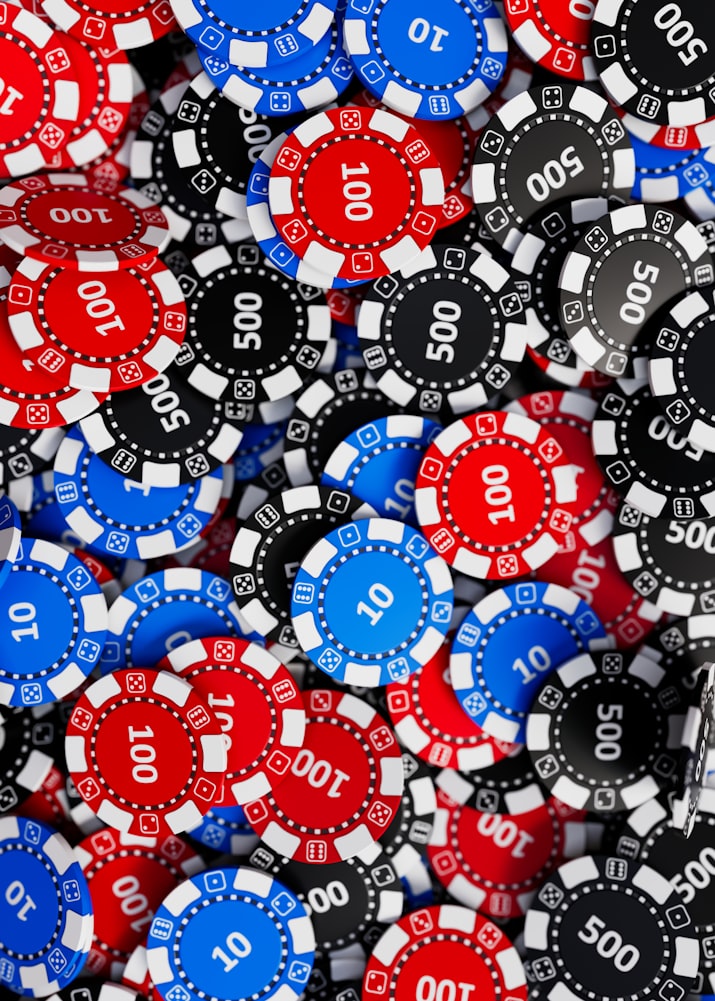
This allure often taps into psychological triggers that enhance a player’s desire to participate. The unpredictability of outcomes, combined with the possibility of substantial financial gain, creates a compelling environment that can alter a player’s perception of risk and reward. As players invest time and money, they may also develop emotional bonds with the games, further solidifying their gaming habits.
Psychological Rewards and Gambling Addiction
The psychological effects of casino gaming extend beyond mere enjoyment. For some individuals, the thrill of gambling can lead to addiction, characterized by an uncontrollable urge to gamble despite adverse consequences. The phenomenon known as “chasing losses” often surfaces, where players feel compelled to continue gambling in hopes of recovering their lost money.
Many players experience an intense rush of dopamine when they gamble, which can create a cycle of risk-taking behavior. This release of neurotransmitters in the brain reinforces the association between gambling and pleasure, making it difficult for players to walk away even when they know they should. Understanding the balance between excitement and addiction is crucial for responsible gaming practices.
The Emotional Rollercoaster of Gambling
Casino gaming often evokes a range of emotions, from exhilaration during winning streaks to despair during losing phases. This emotional rollercoaster can significantly impact a player’s psychological well-being. Winning can produce feelings of euphoria and validation, while losing can lead to frustration and anxiety, resulting in a complex emotional landscape.
These fluctuating emotions contribute to how players perceive themselves and their risk assessment. Many individuals may use gambling as a coping mechanism to escape from stress or unresolved issues in their lives. This can complicate their relationship with gambling, turning it into a potential psychological crutch rather than a mere source of entertainment.
Social Interaction and Its Impact on Players
The social aspect of casino gaming plays a significant role in the psychological effects on players. Many individuals enjoy the communal experience that comes with gambling, as it allows for interaction with others, fostering a sense of belonging. Whether at a poker table or a slot machine, shared moments can enhance the overall experience and may even buffer against feelings of loneliness.
However, these social interactions can also have adverse effects, particularly if they reinforce negative behaviors. Players might feel pressured to continue gambling to fit in or maintain social ties, leading to increased risks of addiction. Understanding these dynamics is essential for recognizing how social environments influence gaming behavior and psychological health.

The Role of Support Resources
While casinos offer entertainment, they also pose challenges for those struggling with gambling-related issues. Recognizing the psychological effects of gaming is crucial for seeking help and promoting a healthier balance. Resources aimed at educating players about responsible gaming and the potential risks associated with excessive gambling can be invaluable.
Websites like employersforwork-lifebalance.org.uk provide essential insights and support for individuals navigating the complexities of work and life balance, including the impact of gambling on mental health. Access to information, community support, and strategies for managing gambling behavior can empower players to engage more healthily with gaming and recognize when they may need assistance.
